Listening fatigue is one of those things that is easier to feel than to explain.

You get to the end of a day that did not look that hard on paper, and you are completely wiped out. No long run, no physical labor, just a handful of conversations and a couple of hours in rooms where it was hard to hear. Something does not add up.

What is actually happening is that your brain is picking up the slack for your ears, and that is not a free service. Every conversation where you do not catch everything adds up, and by the end of the day, you can feel the toll, even if you can’t explain it.

A noisy lunch spot in Saint Joseph, a meeting where you missed a few details, a family gathering with multiple conversations going at once. None of those feel like a workout in the moment, but your brain has been working the whole time.

Why Your Brain Works Harder to Hear

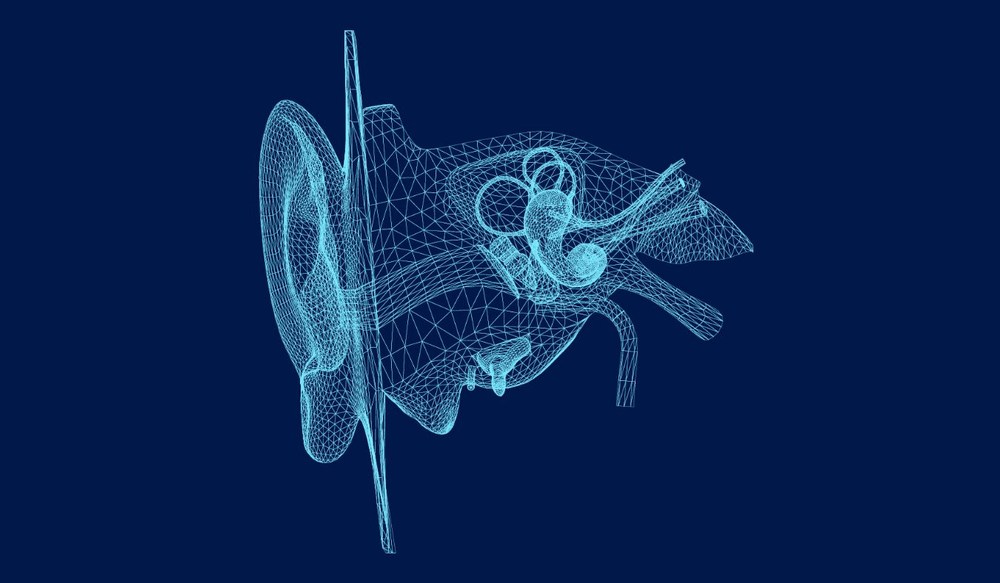
Hearing is a constant process that happens deep within the mind rather than just inside your ears. Your ears act as collectors, gathering vibrations from the world around you and sending them toward the brain for interpretation.

When you are sitting in a quiet room in Saint Joseph or walking through a local shop, your brain is busy sorting these signals into recognizable patterns like speech, music or background noise.

This happens almost instantly, letting you react to a friend’s joke or a car horn without thinking about how the sound is processed.

When hearing loss starts to set in, the brain is not getting all the information it needs. It ends up trying to fill in the gaps in conversation, a bit like reading a sentence with words missing along the way.

This guessing game requires a lot of mental energy and glucose, which can leave you feeling physically drained by the end of the afternoon. Instead of simply enjoying a meal with family, your mind strains to bridge the gaps in what you hear.

Common Background Noises and Your Brain

Living in a busy household means your brain is constantly filtering out a steady stream of background noise. This constant influx of noise creates a specific type of mental fatigue that many people do not realize is happening because the brain is working hard to ignore distractions.

Several common household sounds often act as hidden drainers of your mental energy:

  • The steady drone of heating and cooling systems or window units
  • Appliances like dishwashers and laundry machines running in the next room
  • The clatter of plates and silverware being moved during a meal
  • Multiple people talking or a television playing in the background

Social Life and Hearing in Saint Joseph

Socializing in Saint Joseph often involves spending time in environments that are naturally loud or open.

You might be taking a walk along the Riverfront on a windy afternoon or meeting for lunch in a local spot with high ceilings and hardwood floors. These settings create echoes and background noise that force your mind to work much harder to pick out a single voice.

The change in seasons here in Northwest Missouri also plays a part in your daily energy levels. Moving from the quiet and carpeted rooms of winter into the bustling atmosphere of an outdoor summer event requires a lot of mental adjustment.

Your brain has to constantly shift its focus to handle new sounds like gusts of wind, lawnmowers or distant music. This ongoing effort is why you might feel physically tired after a simple afternoon spent with friends.

Spotting the Difference Between Tiredness and Listening Fatigue

Feeling wiped out at the end of the day often looks like physical exhaustion, but the root cause might be your ears rather than your muscles. While regular tiredness makes you want to crawl into bed for a nap, listening fatigue usually leaves you craving a dark, silent room.

You might notice that you feel irritable or have a hard time focusing after a long lunch with several people. This mental drain happens because your brain has been working much harder to piece together bits of conversation it could not fully catch.

Telling the difference between physical tiredness and listening fatigue can make a big difference in how you manage your day. Physical tiredness is the kind you expect after being on your feet or staying busy with tasks.

Listening fatigue feels different. It can leave you feeling mentally worn out or like you have had enough input for the day, even if you have not been physically active.

How Listening Stress Impacts Mood and Memory

When your brain spends every ounce of energy trying to decode sounds, other mental functions start to slip. You might find that you can’t remember the details of a conversation even though you were just there.

This happens because the mind is so focused on catching the words that it lacks the space to store them as long-term memories. You are essentially using all your energy just to keep up with the conversation in real time.

This constant strain also directly affects how you feel throughout the day. It is common to feel more frustrated or short-tempered when you are mentally drained from the effort of listening.

When the brain is exhausted, it becomes much harder to regulate emotions or keep your concentration on a specific task.

How Modern Hearing Aids Save Your Mental Energy

Today’s hearing aids do much more than just make the world louder for the wearer. They work to clean the sound signals before they ever reach your ears, acting as a filter for the noise you do not need.

This means your brain doesn’t have to strain to separate a friend’s voice from the clatter of a restaurant or the hum of an engine. Instead of doing the heavy lifting yourself, the technology handles the sorting process so you can focus on the person talking.

Supporting your hearing in this way helps prevent the burnout that often follows a busy afternoon spent in a loud environment. It is a simple way to keep your mental energy high and stay active in your daily life.

Practical Tips for Managing Listening Fatigue

Small adjustments to your daily routine can significantly lower the strain on your mind and keep you from feeling burnt out. You might find that planning your most important discussions for the morning when you are rested makes a world of difference.

You can use several practical strategies to make social interactions much easier on your energy levels:

  • Pick a booth against a wall rather than a table in the center of a noisy room.
  • Ask for the topic of conversation at the start so your mind doesn’t have to work as hard to follow along.
  • Sit in a spot where the light is on the speaker’s face and you can clearly see their expressions.
  • Minimize background noise by turning down the radio or closing a window before you start chatting.
  • Encourage others to face you directly and speak at a steady pace without shouting.

Enjoying Your Evenings with More Energy

Addressing your hearing health does more than just help you hear the television or catch a joke. It frees up a massive amount of mental energy that was previously spent just trying to follow along with the world around you.

Many people find that once they address their hearing needs, they no longer feel the urge to fall asleep as soon as they get home from work or a social event. This extra energy stays with you throughout the day and into the quiet hours of the night.

Instead of ending the day feeling completely drained, you might find you have the focus needed to pick up a book or work on a favorite hobby at 8:00 p.m.

You can enjoy a quiet conversation with your family or listen to music without feeling like your brain is struggling to keep up. Reclaiming this time means you are getting back the parts of your life that happen after the busy hours are over.

Understanding Hearing Loss and Daily Fatigue

Feeling wiped out at the end of the day is easy to write off as just part of life, especially when everything else looks fine on the surface. But if the most draining parts of your day tend to be the ones that involve a lot of listening, that is worth paying attention to before it becomes the new normal.

Quality Hearing & Audiology Center is right here in Saint Joseph, MO at (816) 205-7220. If any of this sounds familiar, come in and let us take a look at what your hearing is actually doing. You might be surprised how much of your energy comes back when it is not all going toward keeping up.