
What’s New in Directional Sound Processing for 2026
There’s usually plenty going on at the St. Joseph Farmers Market.
By: Dr. Pamela Nelson | October 27, 2026
There’s usually plenty going on at the St. Joseph Farmers Market. You might stop to ask a vendor a question, run into someone you know or hear a conversation happening at the next stand.
You don’t always face the person who’s talking, either. Sometimes you’re listening while looking at something else.
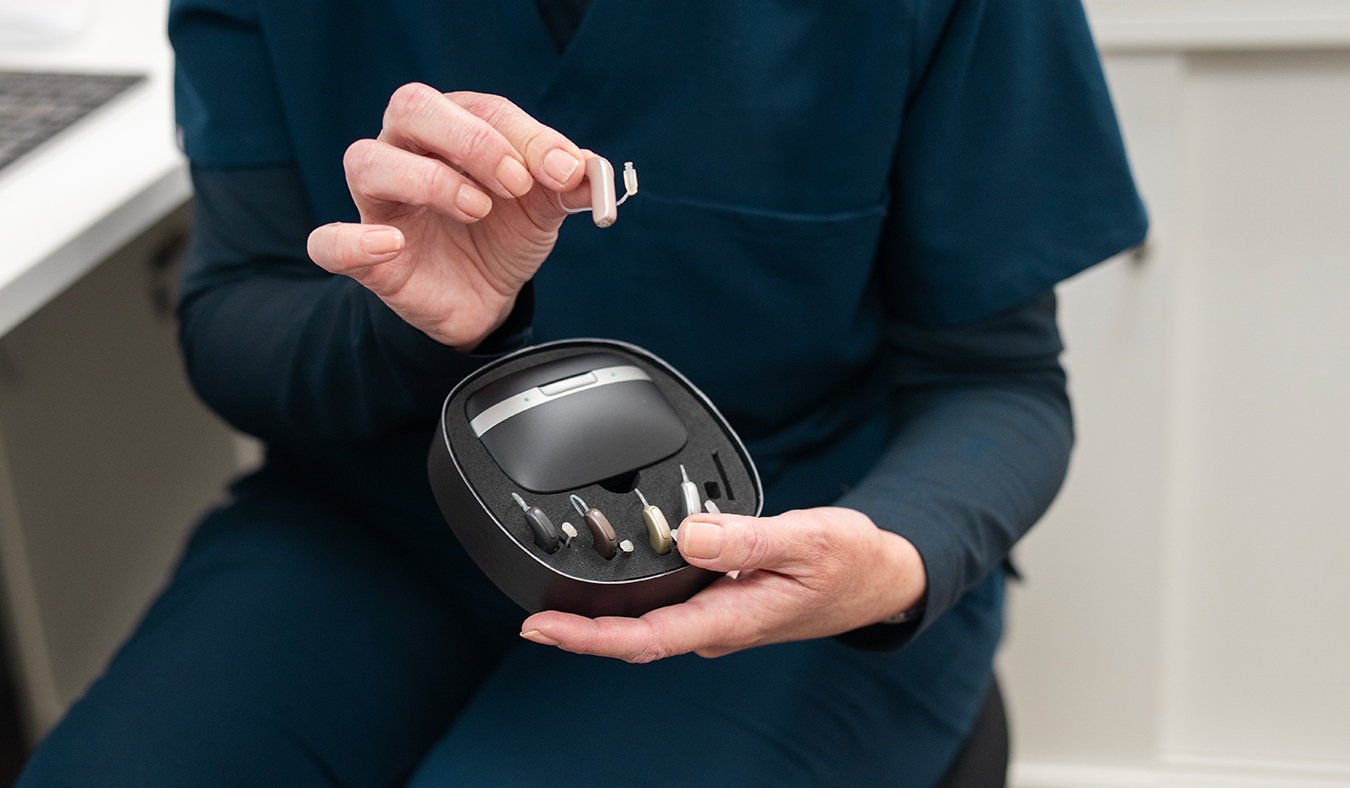
It’s a familiar part of being out around other people, but hearing aids have traditionally been better at picking up voices from certain directions. That’s something manufacturers have been working on, and 2026 brings some interesting developments in directional sound processing.
Newer models are being designed with more flexibility in how they pick up voices around you. If you’ve worn the same pair for several years, you may be surprised by what’s available now.
There’s a lot to talk about beyond the usual microphone settings, particularly when it comes to conversations that don’t stay in one place.
Most modern hearing aids have two tiny microphones built into each device. They’re usually positioned a short distance apart, with each one picking up sound from a slightly different spot.
The processor compares what reaches both microphones, including small differences in timing. This gives the device information about where sounds are coming from, rather than treating everything it picks up the same way.
You may hear your audiologist talk about directional and omnidirectional microphone settings. Omnidirectional means picking up sounds from all around you, while directional settings give more attention to certain areas.
Some models use both throughout the day, changing their microphone settings as needed. There’s quite a bit of processing involved, and the microphones work alongside the software to determine how different sounds come through.
Manufacturers are still finding new ways to handle speech and background noise, with several updates appearing in 2026 models. Much of the work involves how devices respond to different voices and listening situations.
Here are some of the developments you’ll find:
Some models also adjust on their own, so you don’t have to keep reaching for the controls. Think about sitting at a table where the conversation keeps moving from one person to another.
You might be listening to someone across from you, then turn toward a person sitting beside you.
Newer technology can adjust which voices it focuses on as the conversation moves around the table. You’ll still hear some background noise, but speech may be easier to follow without having to concentrate quite as hard.
AI technology brings a different approach to how hearing aids handle sound. Some newer models use software that’s been trained on thousands of recordings, including conversations in places with competing noise.
The software looks for familiar patterns in what the microphones pick up. It also considers more than volume when identifying speech, including the way certain sounds change as someone talks.
Another development is the ability to work with speech and surrounding noise separately. Some models process these sounds through different channels before bringing them back together.
You may still hear what’s happening around you, with voices receiving a different level of emphasis. Manufacturers use their own methods, and the amount of adjustment available to you depends on the model.
If you’ve worn hearing aids outside on a windy day, you may be familiar with that rushing sound coming through the microphones. It can happen during a walk, even when there’s only a light breeze.
Wind doesn’t reach both ears the same way, either. You might hear more of it on the side facing the breeze, especially when you turn your head.
Newer models have different ways of dealing with wind noise. Some can tell which microphone is picking up more wind and rely less on that signal for a while.
Others change how the microphones work together or adjust the lower pitches where that rumbling sound is strongest.
These changes happen while you’re wearing the devices, although you’ll still hear some wind. How much gets reduced depends on the model and its settings.
You might already use a smart speaker, video doorbell or other connected devices around the house. Some newer hearing aids can work with that technology, although the connection isn’t always direct.
For example, you may be able to hear your doorbell notification through your devices when it’s sent to a compatible phone. Certain voice assistants can also send their responses through your hearing aids instead of playing them aloud.
There’s a little more to setting everything up than simply turning on Bluetooth. Some products work through a phone app, while others need a separate accessory.
You may also have options for choosing which notifications come through and how loud they sound. Your audiologist can check what your model supports and explain how it works with the devices you already have at home.
Some wireless features are made for situations where the person you’re listening to isn’t sitting right in front of you. They work a little differently from regular microphone settings, and the options depend on which devices you wear.
A few you might come across:
Your audiologist can also check how the two devices work together and whether the microphones are responding as expected. Some models have additional fitting tests that are done while you’re wearing them.
You can listen to different settings right there in the office, too. Your audiologist might talk while standing beside you, then move to another part of the room.
They may ask whether their voice sounds the same from each position or whether one setting feels more comfortable. You can compare the options and discuss what you prefer before they finish programming your devices.
If you’re looking at newer hearing aids, you probably have questions about what makes one model different from another. Your audiologist can walk you through the features and explain what you’d be using.
Important questions you might want to ask:
You’ll probably hear a lot of unfamiliar terms when you start comparing newer models. Manufacturers have their own names for directional features, and the differences aren’t always obvious.
Ask your audiologist to show you a few options and explain what’s included in each one. Look at the styles available, too. Some features are only offered in certain designs, and you may have preferences about what feels comfortable to wear.
It’s also a good idea to spend some time wearing a new pair before making your final decision. Try them during the activities you normally enjoy, rather than judging everything by how they sound in the office.
You might find that you prefer certain settings for different places. Ask how the trial period works and whether you can come back for adjustments.
You don’t have to be shopping for new hearing aids to be interested in what’s changed. Maybe you’ve had your current pair for years and haven’t looked into the newer features.
Or perhaps you’re comparing models for the first time.
If you have questions about newer technology, call Quality Hearing & Audiology Center in Saint Joseph, MO at (816) 205-7220 to arrange an appointment. We can show you what’s available, compare a few models or review the settings on your current pair.
There’s usually plenty going on at the St. Joseph Farmers Market.
By: Dr. Pamela Nelson | October 27, 2026
By the time the booths start going up for Trails West at Civic Center
By: Dr. Pamela Nelson | August 24, 2026

Listening fatigue is one of those things that is easier to feel than to
By: Dr. Pamela Nelson | May 18, 2026